Manufacturing & ISO 27001: Securing the Industrial Supply Chain
Canada’s manufacturing sector is modernizing at a rapid pace. Automotive suppliers, aerospace manufacturers, industrial IoT device makers, robotics companies, and precision fabrication shops are all moving toward software-driven, cloud-connected production environments.
But as factories become smarter, the risks grow too.
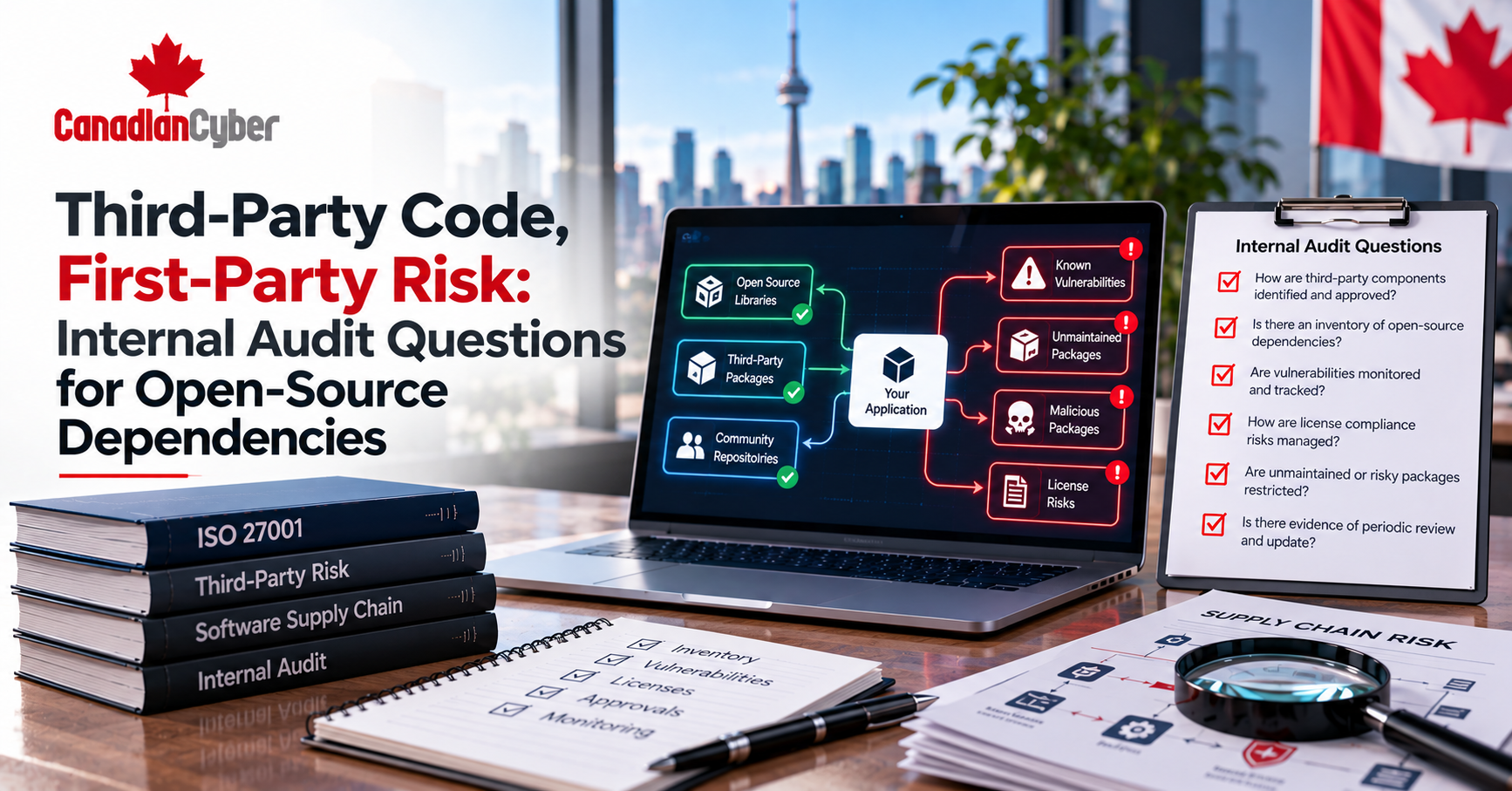
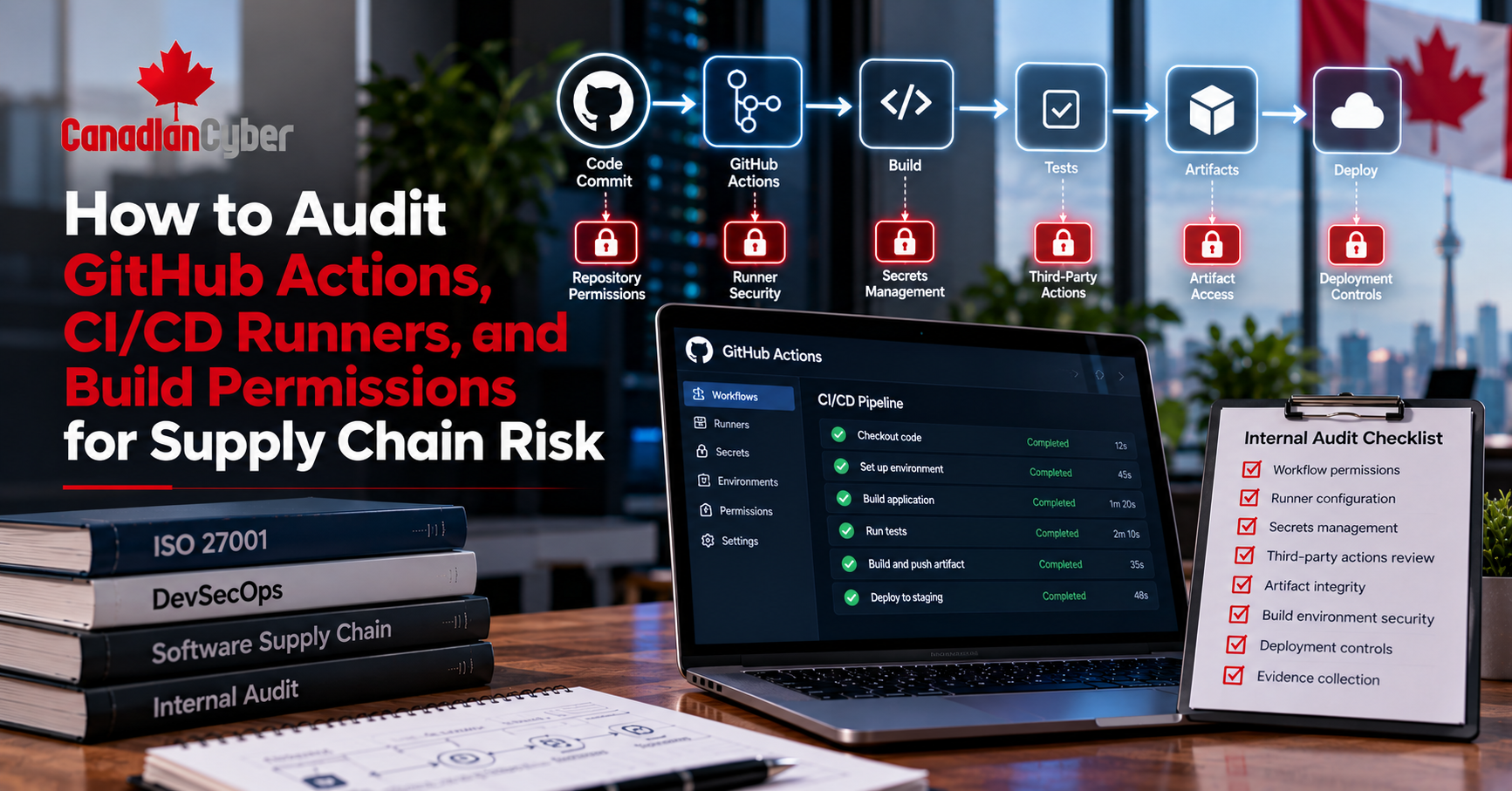
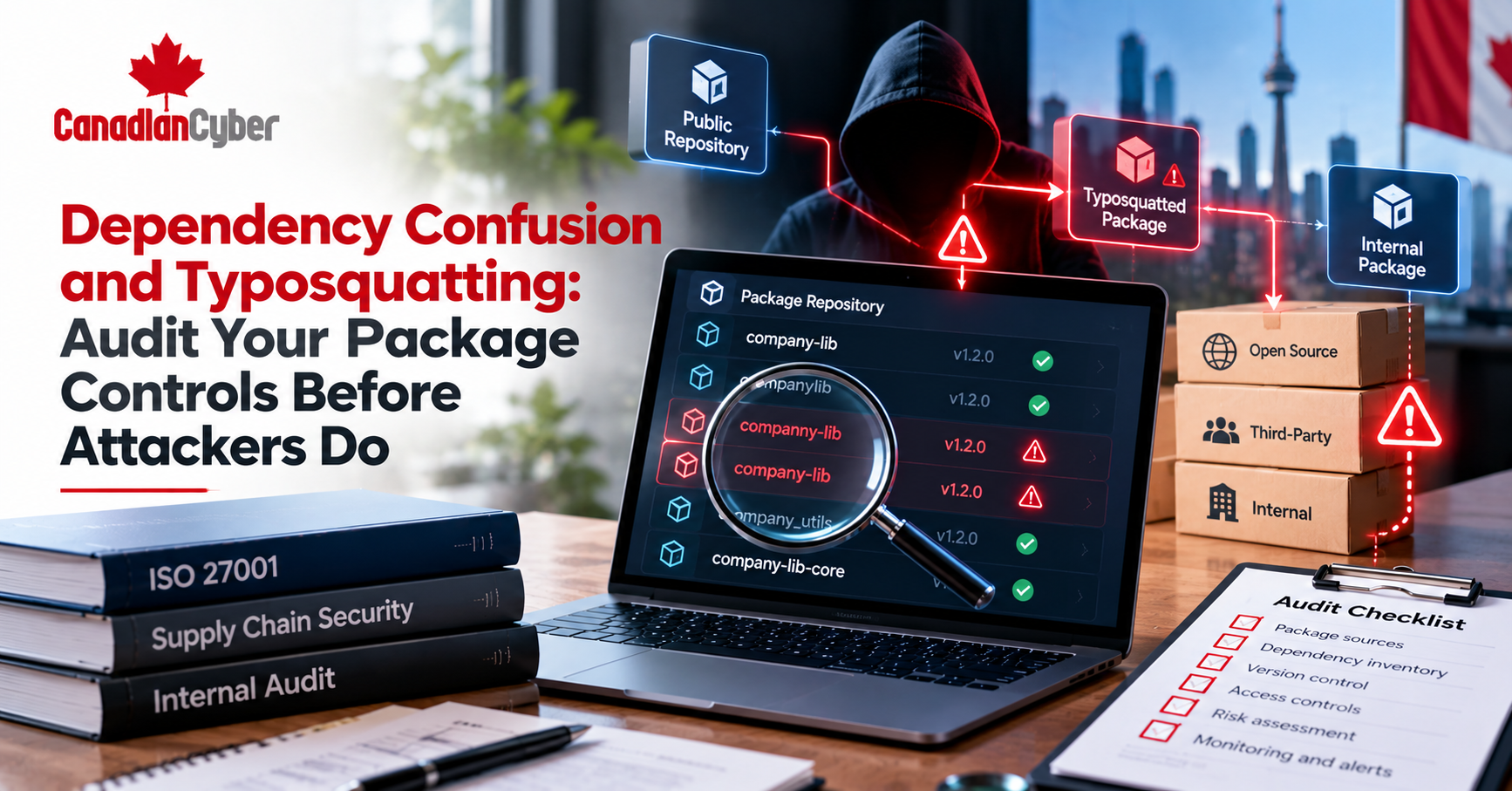
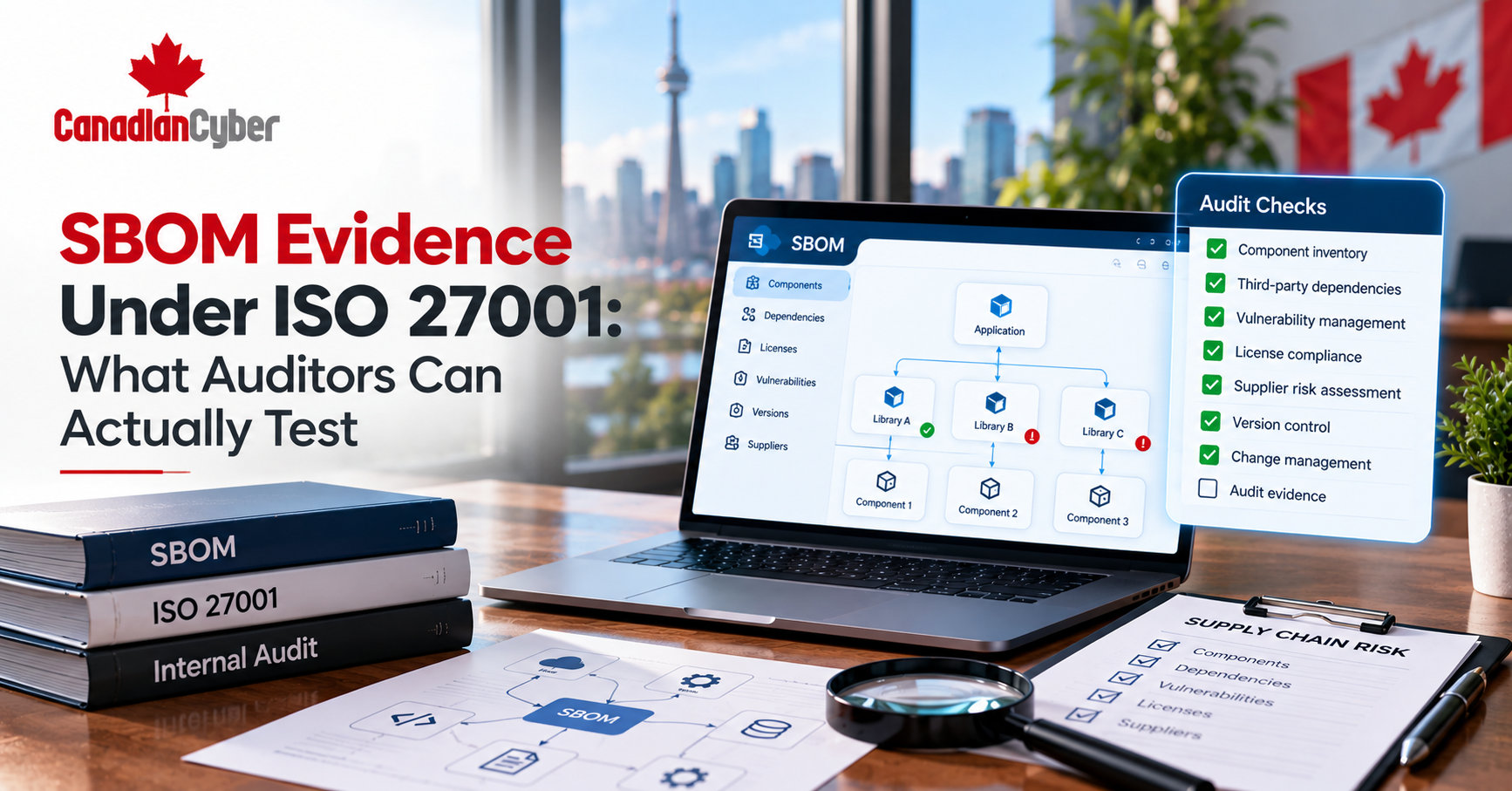
Supply-chain attacks, intellectual property theft, compromised IoT devices, and insecure vendor integrations have become top concerns for Canadian manufacturers. It’s no surprise that manufacturing is now one of the industries showing high demand for ISO 27001 certification, joining tech startups, HealthTech, and FinTech in pursuing structured security programs.
This shift isn’t happening because the manufacturing sector suddenly wants certificates. It’s happening because global partners, enterprise clients, and international supply chains now require it.
Why ISO 27001 Matters for Manufacturers More Than Ever
Manufacturers operate in one of the most complex ecosystems in the world: global suppliers, international distributors, offshore component makers, cloud-connected machinery, and IoT-enabled production lines. A single weak link can disrupt the entire chain.
ISO 27001 helps address these challenges by providing:
1. Protection of Intellectual Property (IP)
Manufacturers rely heavily on trade secrets, CAD files, prototypes, firmware, and R&D documentation.
ISO 27001 safeguards these assets with:
- Controlled access
- NDAs with enforceable security standards
- Encryption for design files and proprietary data
- Evidence-backed secure processes
This reduces the risk of both external breaches and insider threats.
2. Stronger Supply-Chain Assurance
Global partners often mandate ISO 27001 certification as part of their vendor requirements. This is especially true for:
- Tier 1 & Tier 2 automotive suppliers
- Aerospace and defence contractors
- Industrial IoT integrators
- Smart-device manufacturers
- Multinational industrial partners
Manufacturers increasingly report seeing contract language such as:
“Vendor must maintain ISO 27001 certification or equivalent security controls.”
And in many cases, partners will not proceed without it.
⭐ Need ISO 27001 Support for Your Manufacturing Operation?
Canadian Cyber helps Canadian manufacturers build ISO 27001 programs that satisfy global supply-chain demands
while protecting high-value IP and production systems.
3. Alignment with Privacy and Cybersecurity Laws
Even though manufacturing isn’t traditionally tied to privacy regulation, many companies now store customer data,
employee data, and telemetry from industrial IoT systems. ISO 27001 supports compliance with PIPEDA, Québec’s Law 25, and international expectations.
4. Resilience Against Cyberattacks Targeting Factories
Threat actors regularly hit manufacturers with:
- Ransomware attacks
- Supply-chain compromises
- ICS/OT intrusions
- IP exfiltration campaigns
ISO 27001’s structured controls strengthen manufacturing resilience and support recovery.
Real-World Scenario: When a Supply-Chain Partner Demands ISO 27001
One industrial IoT firm pursued ISO 27001 after a global partner refused to integrate their sensor gateway without
proof of strong security controls. The partner required:
- Supplier risk assessments
- Encryption of all device-to-cloud communication
- Formal documentation of security policies
- Evidence of internal audits
ISO 27001 allowed the company to meet these contractual requirements and continue the integration.
Another example: a Canadian automotive parts supplier had to adopt ISO 27001 because an OEM added a mandatory ISO 27001 clause into its vendor contract. Without it, the supplier would have lost a multi-year manufacturing deal.
This reflects a broader trend: Canadian enterprises increasingly require formal security credentials from their technology and manufacturing suppliers.
Key ISO 27001 Controls That Protect Manufacturing Operations
Manufacturers operate in a hybrid world of IT, OT, cloud systems, and physical production.
ISO 27001 maps well to these environments.
1. Asset Management (A.8)
Manufacturers depend on:
- PLCs
- Industrial IoT devices
- Robotics
- ERP and MES systems
- Cloud-connected machinery
ISO 27001 requires complete inventories, ownership assignments, and classification critical for managing both cyber and operational risks.
2. Access Control (A.9)
Production data, machine configurations, and proprietary design files must be tightly regulated.
Controls include:
- Role-based access
- MFA for remote connections
- Segregating engineering, production, and admin accounts
- Privileged access restrictions
3. Supplier & Contract Security (A.15)
This is one of the most important domains for manufacturers. ISO 27001 enforces:
- Supplier risk assessments
- Contractual security clauses
- Ongoing evaluation of vendor security maturity
- Monitoring of offshore manufacturing partners
This aligns with how Canadian manufacturing partners now demand ISO 27001 from their supply chain to protect shared IP and critical production capacity.
4. Operations & Change Management (A.12)
Manufacturing environments change frequently, including:
- Firmware updates
- Production line adjustments
- Software changes to machinery
- Cloud infrastructure updates
ISO 27001 requires documented change control, testing, approvals, and rollback plans reducing the risk of outages or unsafe configurations.
5. Protection of IP and Design Data (A.10 & A.13)
Industrial IP must be encrypted in transit and at rest, including:
- CAD drawings
- Prototypes
- Firmware
- QA reports
- Component specifications
Network security controls and segmentation prevent unauthorized access to shared design environments, labs, and partner portals.
6. Business Continuity & Incident Response (A.16 & A.17)
Manufacturers must maintain production uptime. ISO 27001 provides:
- Backup strategies aligned with production realities
- Disaster recovery (DR) plans
- Incident response playbooks
- Ransomware resilience measures
- Forensic readiness
These controls help ensure that even when incidents occur, your industrial operations can recover quickly and safely.
ISO 27001 as a Competitive Advantage in Global Supply Chains
Industries dealing with critical systems, including manufacturing, seek ISO 27001 to boost trust and satisfy partner expectations.
For manufacturers, that translates into:
1. Winning More Contracts
ISO 27001 helps suppliers pass vendor security assessments quickly, reducing delays in RFP cycles and making it easier to say “yes” when global partners ask for proof of security.
2. Strengthening Global Credibility
International buyers often expect ISO 27001, especially in automotive, aerospace, and IoT-heavy sectors. Certification signals maturity and reliability.
3. Demonstrating Due Diligence
ISO 27001 provides a defensible framework if cyber incidents occur, showing that leadership took reasonable,
documented steps to protect systems and data.
4. Supporting Secure Digital Transformation
Manufacturers adopting:
- Predictive analytics
- IoT-enabled robotics
- Digital twins
- Cloud MES/ERP
benefit from ISO 27001’s structure. It helps teams innovate without losing sight of security, privacy, and operational continuity.
Strengthen Your Manufacturing Security with ISO 27001
Canadian Cyber helps manufacturing companies implement ISO 27001 in a way that supports complex supply chains and protects high-value intellectual property. We work as an extension of your team, aligning security with production realities instead of slowing them down.
We offer:
- ✔ ISMS development tailored to manufacturing
- ✔ Supplier security and risk frameworks
- ✔ Secure cloud & industrial IoT architecture guidance
- ✔ Internal audits and certification readiness
- ✔ Continuous vCISO support for improvement