What counts as ground segment
Before you govern the ground segment, define it. You do not need perfect diagrams first. You need a defensible boundary statement and a useful inventory of crown-jewel systems.
In most space tech companies, ground segment includes:
- mission operations tooling for tasking, scheduling, and commanding
- ground station services, whether owned or partner-operated
- ingest endpoints and transfer workflows
- processing pipelines from raw to calibrated to derived outputs
- key stores, signing services, and credential vaults
- admin and remote access systems such as VPN, jump hosts, or PAM
- logging and monitoring platforms
- customer delivery portals and APIs, especially when tightly coupled to ground workflows
vCISO rule:
scope first, then controls, then evidence. If scope is vague, every audit and every customer review will sprawl.
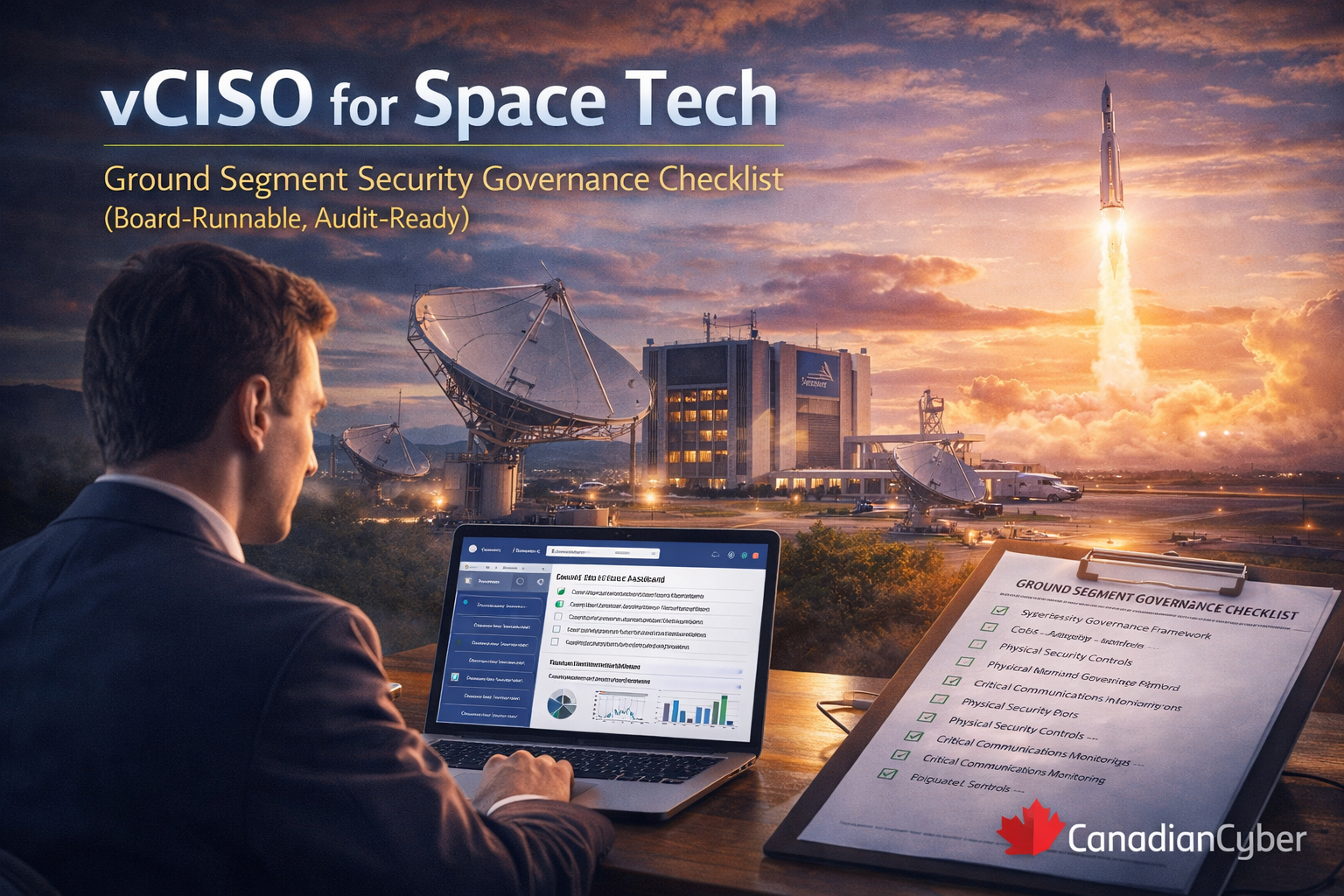
The Ground Segment Security Governance Checklist
1) Governance and ownership
The first job is eliminating ambiguity. Ground segment systems need named owners and decision paths.
- ground segment scope statement exists
- named accountable owner for mission ops platform, pipelines, identity/admin systems, logging, and vendor access
- decision rights defined for emergency changes, risk acceptance, and customer notification decisions
- quarterly governance review cadence set
Evidence: responsibility matrix and meeting minutes with decisions and actions.
2) Identity and privileged access
Privileged access is usually the fastest breach path and the fastest way to lose buyer trust.
Controls
- MFA enforced for privileged access
- separate admin accounts
- least privilege roles for mission ops, ground station administration, pipelines, and exports
- quarterly privileged access reviews
- break-glass accounts documented and monitored
- privileged actions logged
Evidence
- admin role exports
- review sign-offs
- break-glass procedure
- sample admin activity logs
3) Remote access and vendor access
This is where governance often breaks. Temporary access becomes permanent. A quick exception becomes the normal path.
- approved remote access pathway defined
- no direct internet exposure of management interfaces
- vendor access is time-bound, approved, scoped, and logged
- quarterly vendor access review completed
- vendor list identifies who can touch ground systems
Evidence: remote access standard, vendor approval records, and access review evidence.
Quick win
If vendor access is messy, start there first. It is one of the fastest ways to reduce real risk and show visible control improvement.
4) Change control for mission-critical systems
Ground segment teams need a change model that is fast enough for operational reality and structured enough for audits.
| Change type |
Expectation |
| Standard |
pre-approved path |
| Planned |
normal approvals and validation |
| Emergency |
documented after execution within 24–48 hours |
High-risk change triggers
- credential or key changes
- access control changes
- pipeline logic changes
- export or egress configuration changes
Evidence: sampled changes showing request, approval, deploy, rollback plan, and validation.
5) Telemetry, data integrity, and chain-of-custody
Customers trust space tech platforms when they trust the data path. That means protecting integrity from ingest through processing through delivery.
- ingest endpoints authenticated and encrypted
- replay and duplicate handling rules defined where relevant
- tenant or customer separation enforced in processing and storage
- data validation checks exist
- audit trail for configuration changes, reprocessing events, and manual intervention
- export controls are role-based and audited
Evidence: validation summaries, config change logs, export logs, and alert-to-ticket samples.
6) Availability and recovery readiness
Availability has to be defined in service terms, not vanity uptime. Mission windows and customer delivery timing are what matter.
Controls
- define ingest, processing, and delivery availability
- monitor critical dependencies such as queues, storage, compute, and links
- document backup and restore strategy
- perform restore tests on a schedule
- review capacity and egress constraints
Evidence
- restore test records
- monitoring review sign-offs
- incident timeline samples
- RTO/RPO evidence where used
7) Logging, detection, and review cadence
Logging only becomes governance when review, escalation, and closure are part of the system.
Minimum logging expectations
- central logging for privileged access and pipeline changes
- authentication failures tracked
- export activity logged
- retention defined and enforced
- monthly or quarterly log review sign-offs
- alerts for new privileged users, suspicious access, unusual export, failures, or logging changes
Evidence: retention settings, review records, and 2–3 alert-to-ticket-to-closure examples.
8) Incident response for space operations
During critical windows, the worst response pattern is improvisation. Scenario-based runbooks fix that.
Runbooks should cover
- credential compromise in mission ops
- ingest outage during scheduled downlink
- suspicious export spike
- vendor compromise affecting access
- data corruption or reprocessing integrity issue
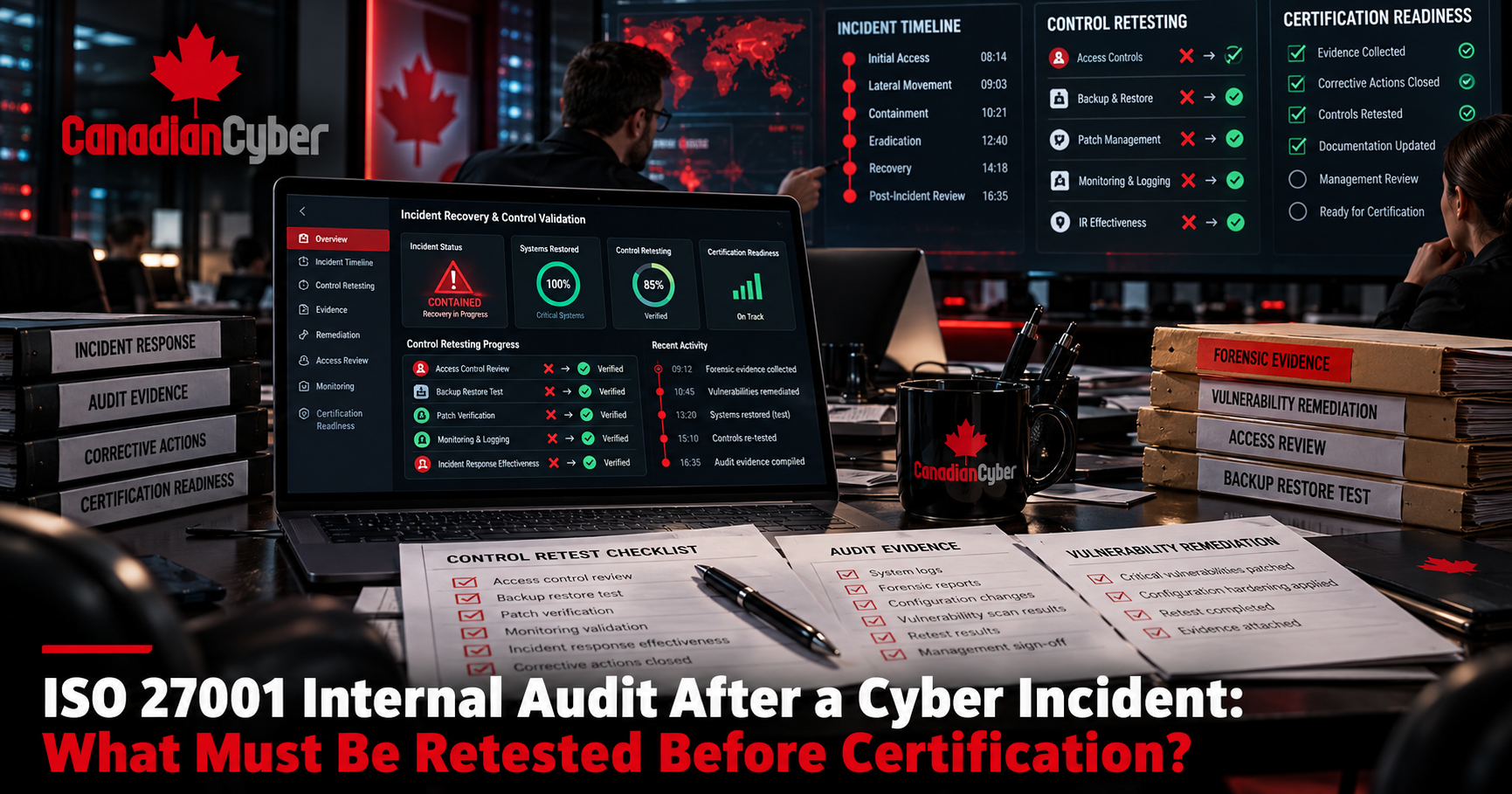
Evidence: IR plan, runbooks, tabletop records, PIRs, and corrective action closure records.
9) Supply chain and partner governance
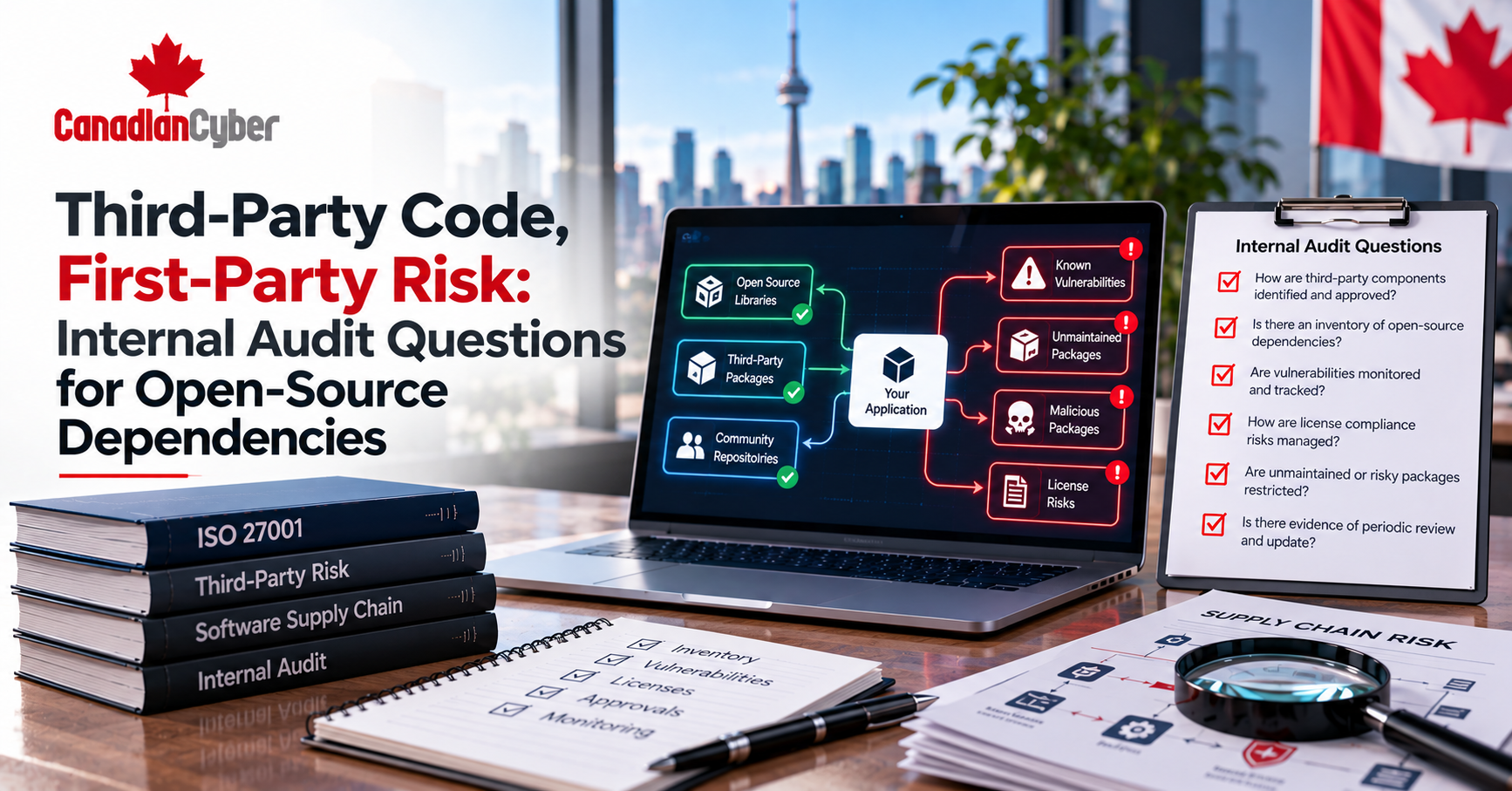
Ground stations, cloud providers, processors, and specialist vendors are not peripheral to security. They are part of the control environment.
- critical vendor and partner register exists
- contract requirements define incident notice, access, logging, handling, and deletion
- annual review cadence for critical partners
- exceptions tracked with expiry
Evidence: vendor review notes, decision records, and exception register.
The minimum board pack for ground segment governance
If leadership only sees technical updates, the important decisions will never get funded or resolved.
Quarterly board pack should include
- top 5 risks with mission, customer, and revenue impact stated
- privileged access status and exceptions
- availability readiness such as restore tests, incidents, and RTO/RPO progress
- vendor and partner status
- open corrective actions, especially overdue or high severity
- decisions needed such as risk acceptance, funding, or lifecycle replacement
Final takeaway
Ground segment security is not something you “solve” with a few tools. It becomes trustworthy when ownership is clear, access is controlled, vendors are governed, change is authorized, availability is tested, and incidents are practiced before they happen.
A good vCISO model makes that governance board-runnable and audit-ready without slowing mission operations into bureaucracy.
Next step
If your ground segment governance still lives in scattered notes, emails, and tribal knowledge, the fastest improvement is to turn it into owners, cadence, and evidence.
Follow Canadian Cyber
Practical cybersecurity + compliance guidance: