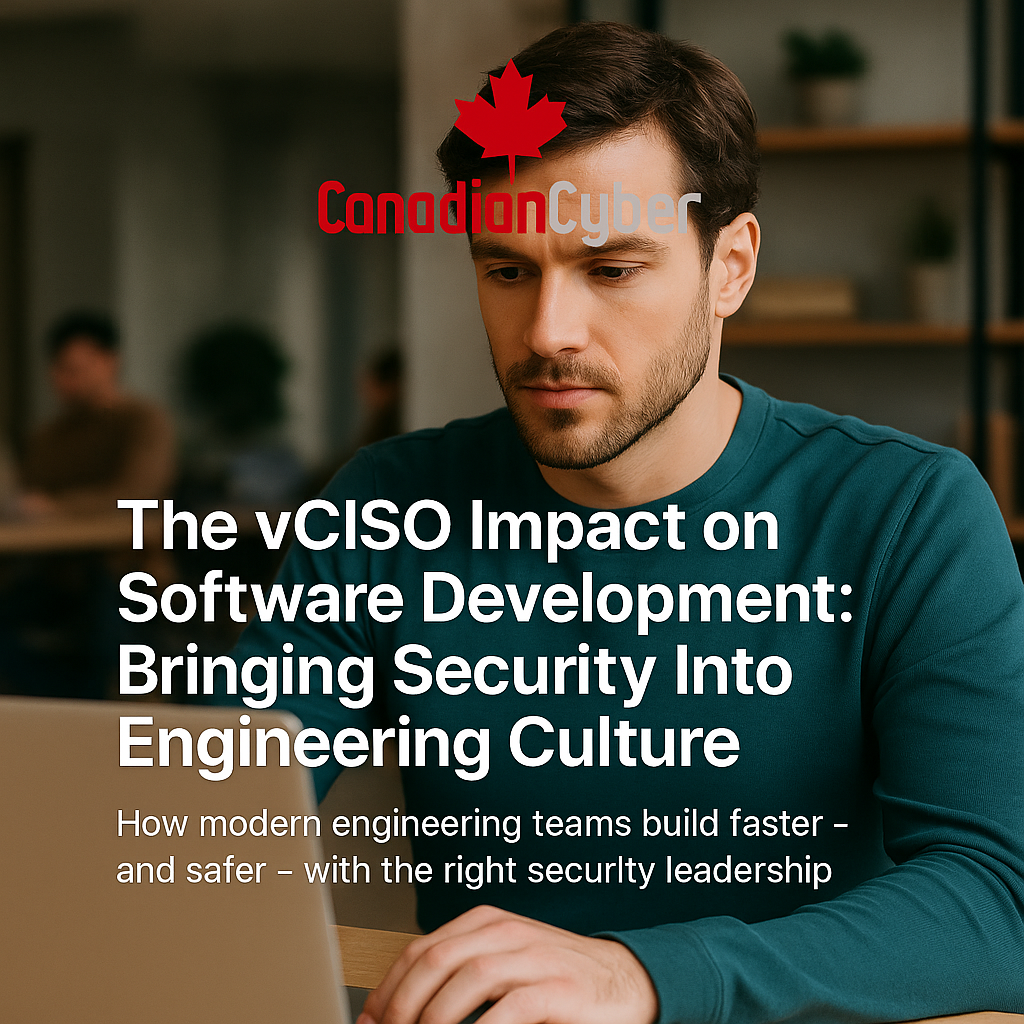
The vCISO Impact on Software Development: Bringing Security Into Engineering Culture
How modern engineering teams build faster and safer with the right security leadership.
For a long time, security and software development lived in separate worlds.
Engineering teams built features. Security teams reviewed them later. Problems were discovered too late and fixes slowed releases.
That approach no longer works.
Today’s software companies ship continuously. Code moves fast. Teams deploy daily.
Security can’t sit on the sidelines it must be built into how engineering works.
This is where a vCISO (Virtual Chief Information Security Officer) plays a critical role not as a blocker, but as a cultural bridge between security and engineering.
Quick Snapshot
| Category | Detail |
|---|---|
| Topic | How a vCISO strengthens DevSecOps and engineering culture. |
| Who it’s for | CTOs, engineering leads, founders, product teams, DevOps and platform teams. |
| Purpose | Show how security becomes part of the SDLC without slowing delivery. |
| Key takeaway | A vCISO reduces friction by building guardrails, clarity, and repeatable workflows not last-minute gates. |
Why Security Still Feels “In the Way” for Developers
Most developers don’t dislike security. They dislike friction.
Security often feels painful because it shows up as:
- Last-minute audit findings
- Vague policies written for non-engineers
- Tools added without context
- Manual approval steps
- Reviews that delay releases
The result is predictable: security becomes something engineers try to “get through,” not something they own.
A vCISO changes the dynamic by reshaping where security lives and how it’s introduced.
The vCISO’s Real Role in Engineering Teams
A vCISO is not there to review every line of code and they’re not there to slow development down.
Instead, a vCISO focuses on culture, structure, and decision-making. They help engineering teams answer:
- What security controls actually matter for our product?
- Where should checks live inside the development lifecycle?
- How do we reduce risk without killing velocity?
- How do we make security part of “how we build,” not “something extra”?
This is where DevSecOps becomes real.
Security as a Design Principle, Not a Final Step
One of the biggest shifts a vCISO brings is moving security left.
Instead of asking “Is this secure?” after deployment, the question becomes:
“How do we design this securely from the start?”
A vCISO helps engineering teams reduce guesswork and rework by:
- Identifying high-risk areas in the application
- Defining secure architecture patterns
- Building guardrails instead of gates
- Aligning on what “secure enough” means for your risk level
A Fictional Example: When Security Finally Clicked
Fictional example for illustration inspired by common engineering experiences.
A Canadian SaaS company had strong developers but constant security friction. Audits felt rushed. Fixes came late.
Engineers felt security “showed up only to say no.”
After engaging a vCISO, something changed.
Instead of sending policy documents, the vCISO joined sprint planning once a month and asked simple questions:
- “What data is most sensitive here?”
- “What breaks if this API is abused?”
- “Where can we automate this control?”
Security decisions became part of design discussions. Developers understood why controls existed.
And security stopped being a surprise at the end.
That’s culture change not tooling.
How a vCISO Integrates Security Into the SDLC
A vCISO works across the full development lifecycle so security becomes predictable and low-friction.
1) Planning and design
Security expectations are defined early:
- Threat modeling for key features
- Data classification decisions
- Authentication and authorization patterns
- Secure architecture guidance
Developers know what’s expected before coding begins.
2) Development
Security becomes part of normal workflows:
- Secure coding guidelines that are short and practical
- Clear rules for secrets, keys, and credentials
- Guidance on safe libraries and frameworks
- Approval processes that are lightweight and predictable
This prevents last-minute rewrites and “surprise” standards.
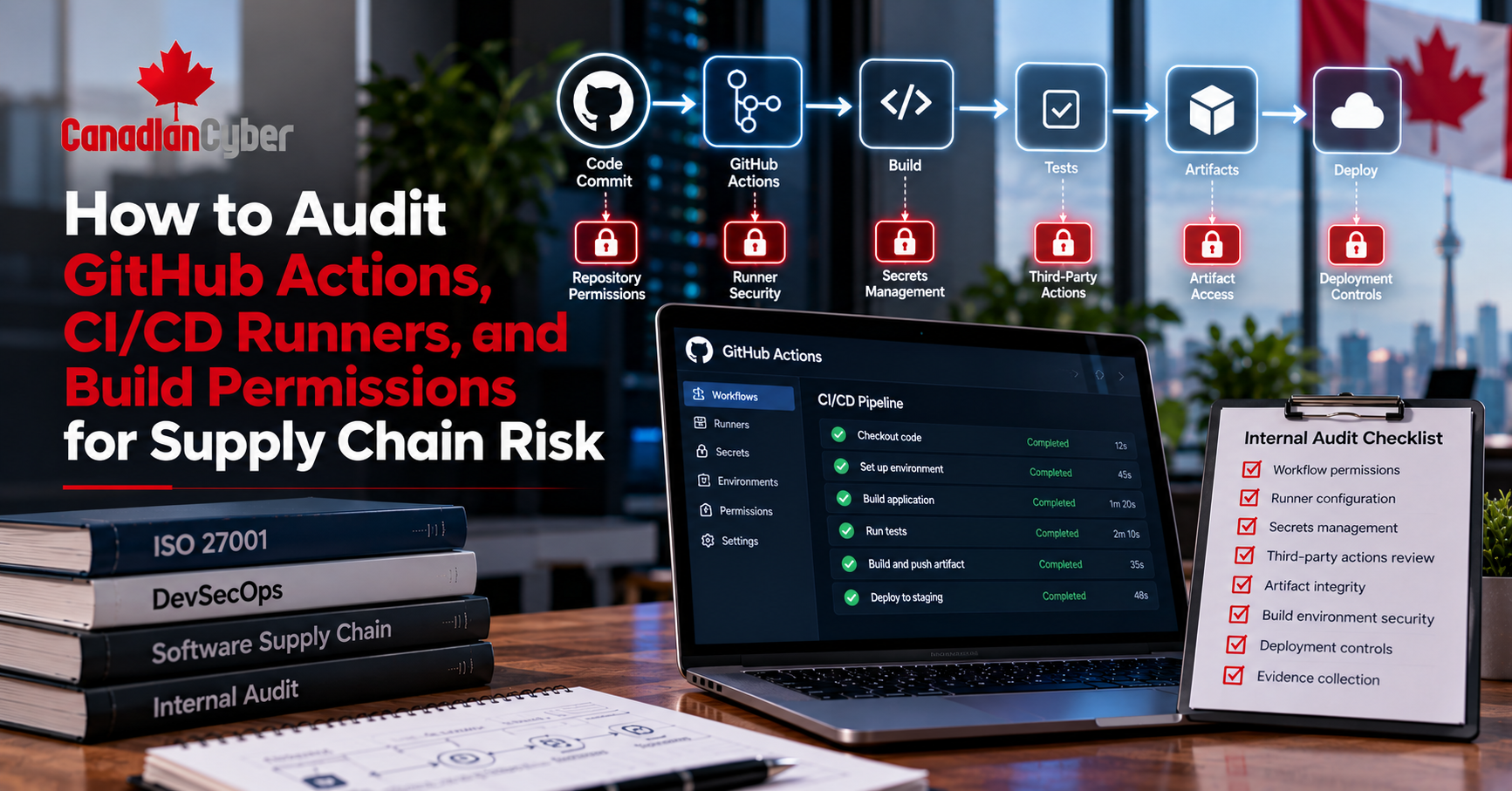
3) CI/CD and automation
A vCISO supports automation, not manual gates:
- Static analysis where it adds value
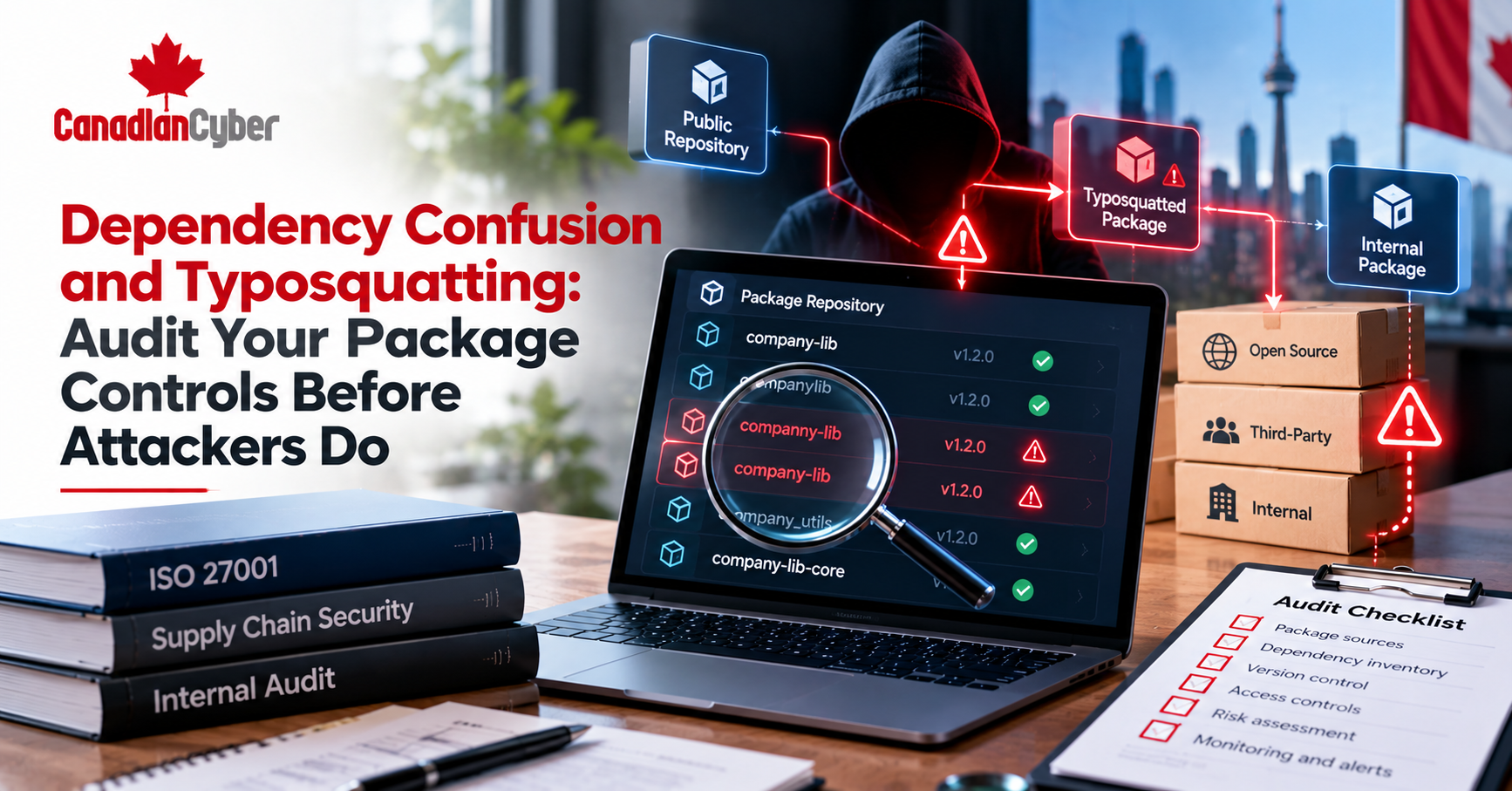
- Dependency scanning for known risks
- Environment hardening standards
- Logging and monitoring built into pipelines
Security checks run quietly in the background.
4) Deployment and operations
Security doesn’t stop at release. A vCISO helps ensure:
- Proper access control in production
- Monitoring and alerting are meaningful
- Incident response is clear to engineers
- Changes are logged and auditable
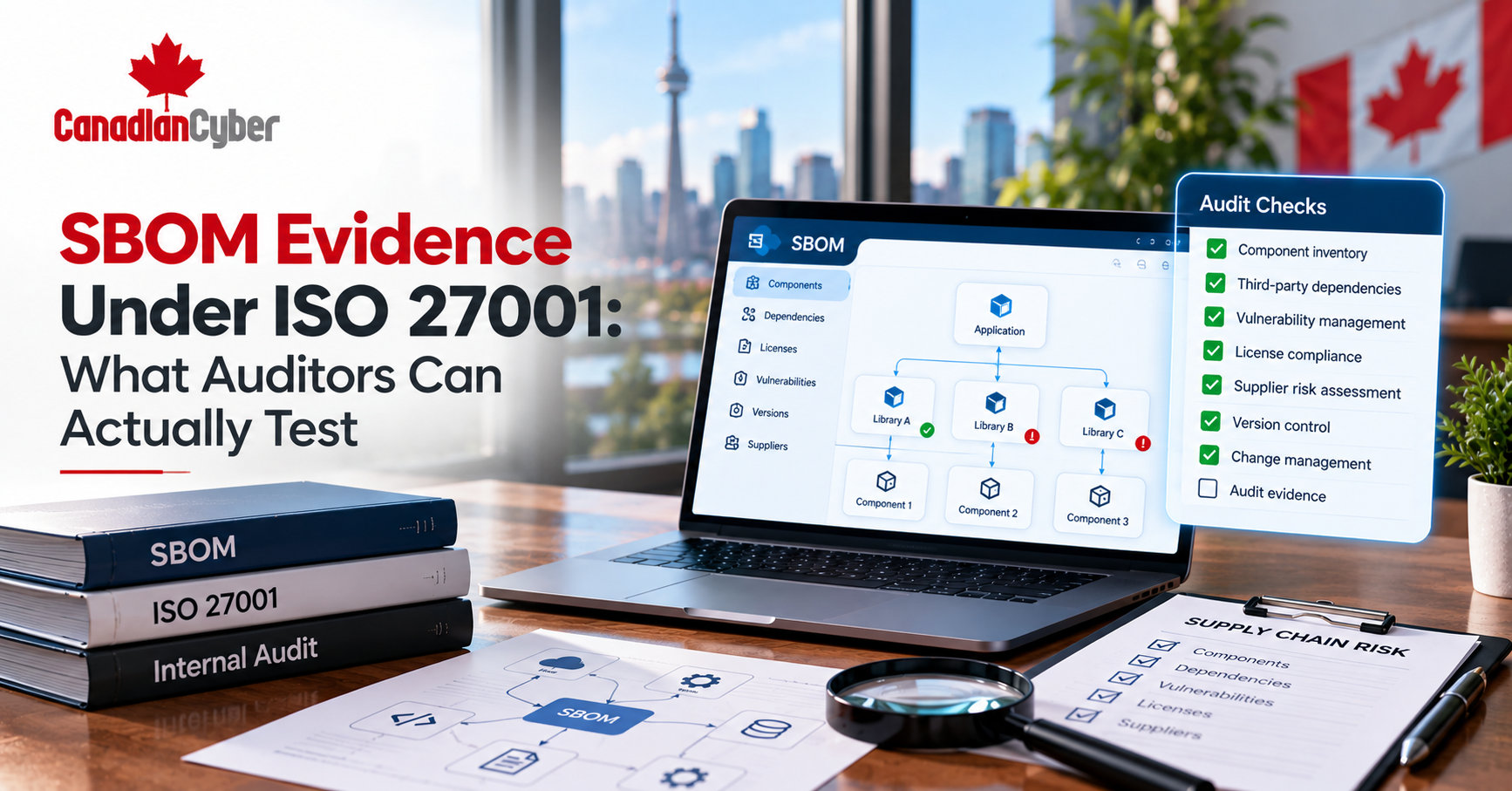
This also supports frameworks like SOC 2 and ISO 27001 without disrupting engineering.
What Changes When a vCISO Supports Engineering
| Before (common friction) | After (vCISO-led approach) |
|---|---|
| Security shows up late | Security is part of planning and design |
| Vague policies | Practical, engineer-friendly standards |
| Manual gates and delays | Automated checks + clear guardrails |
| Surprise audit requests | Evidence trails built into workflows |
| Security feels like “no” | Security becomes clarity and confidence |
Why vCISO Works Better Than “Security by Committee”
Many companies try to solve security by adding more tools, more reviews, and more meetings.
That often makes things worse. A vCISO provides:
- One clear security voice
- Consistent decision-making
- Context-aware risk judgement
- Alignment between leadership and engineering
Engineers don’t need more opinions. They need clarity.
DevSecOps Is About People, Not Just Tools
DevSecOps is often misunderstood as a tooling problem. In reality, it’s a leadership problem.
Tools only work when teams trust the process, rules make sense, and risk decisions are transparent.
A vCISO brings that leadership layer especially for organizations that don’t have a full-time CISO.
How This Supports Compliance Without Slowing Teams
Many engineering teams fear security leadership means more audits and paperwork.
A good vCISO does the opposite.
By embedding controls into existing workflows, teams can meet requirements for:
- SOC 2
- ISO 27001
- Customer security reviews
- Privacy expectations
Compliance becomes a byproduct of good engineering not a separate project.
How Canadian Cyber Helps Engineering Teams Thrive Securely
Our vCISO services are designed to work with engineering teams not against them. We focus on practical security
that supports delivery, reduces rework, and strengthens audit readiness.
- Translating risk into clear engineering decisions
- Aligning security controls with DevOps workflows
- Supporting SOC 2 and ISO 27001 without chaos
- Coaching teams on secure design practices
- Bridging leadership and developers with board-ready reporting
We also support this with internal audits (evidence and controls health checks) and
SOC 2 / ISO 27001 implementation that fits modern SDLCs.
The Real Impact: Faster, Safer Development
When security becomes part of engineering culture:
- Releases move faster
- Incidents drop
- Audits become easier
- Developers feel supported
- Trust increases internally and externally
That’s the real impact of a vCISO.
Ready to Bring Security Into Your Engineering Culture?
If your teams are building fast but security still feels reactive, a vCISO can help you make security predictable, lightweight, and built into the SDLC.
👉 Explore Our vCISO Services
👉 Learn How Canadian Cyber Supports Engineering Teams
Stay Connected With Canadian Cyber
Follow Canadian Cyber for insights on security leadership, DevSecOps, and modern compliance: