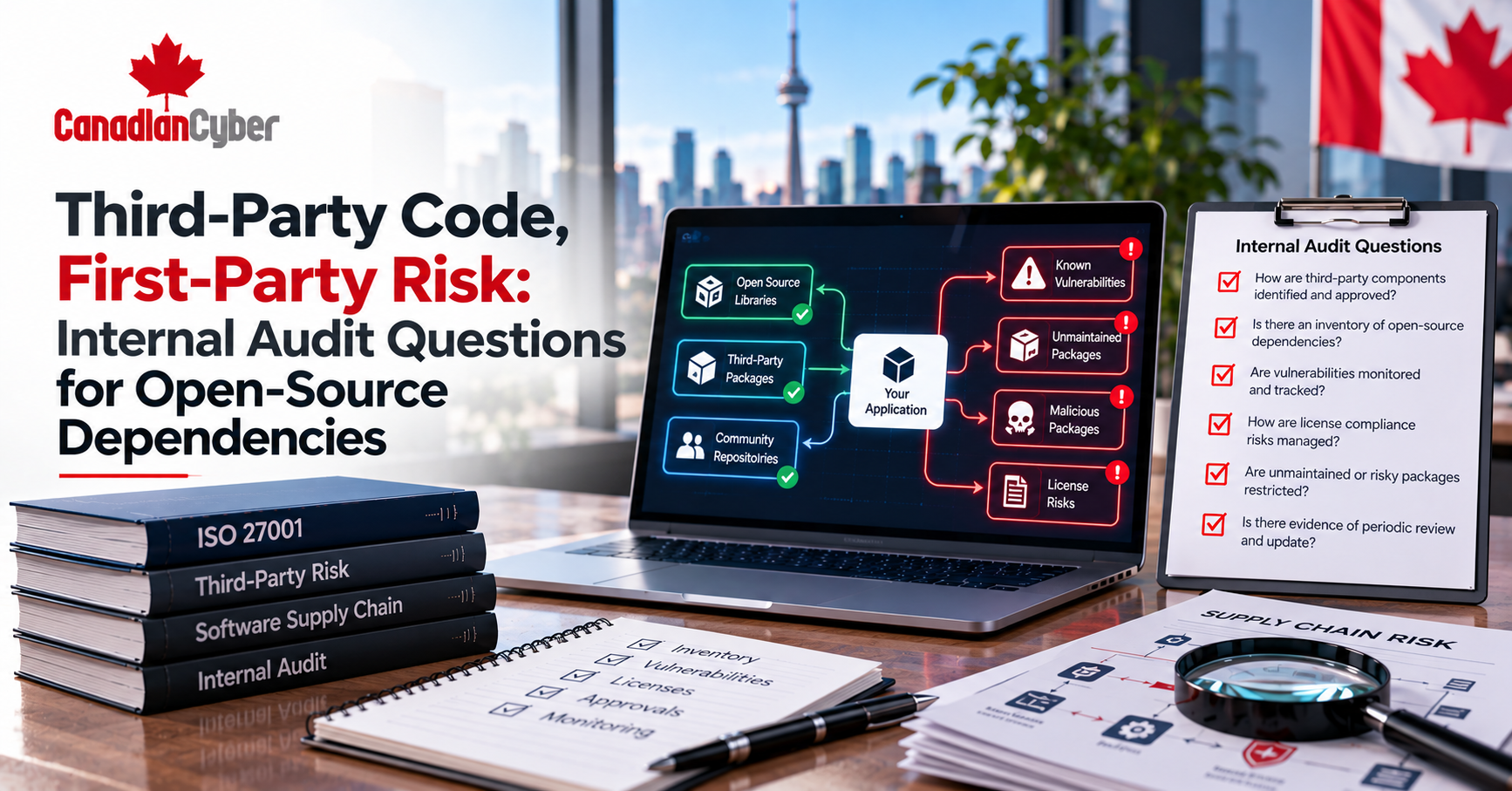
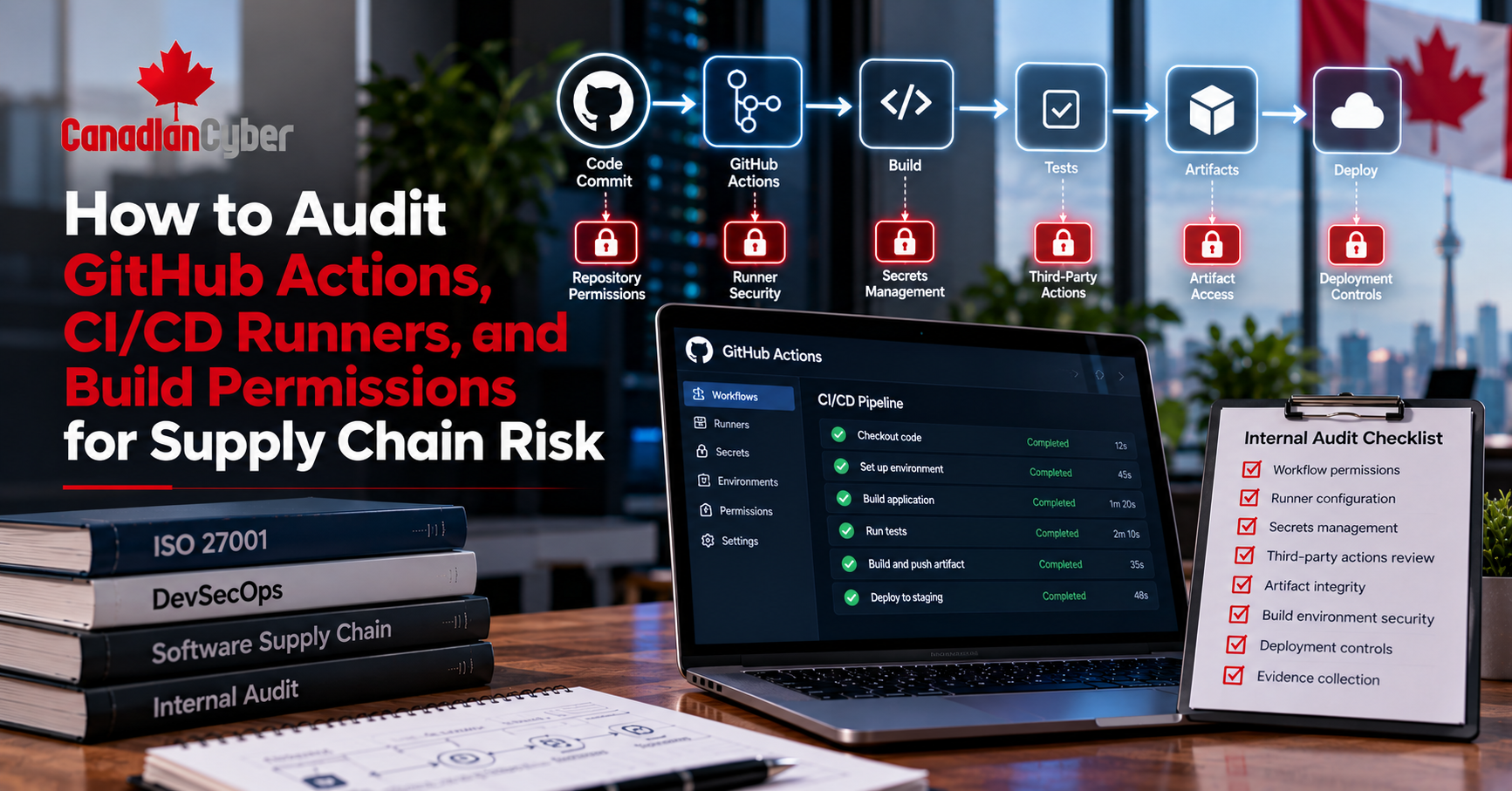
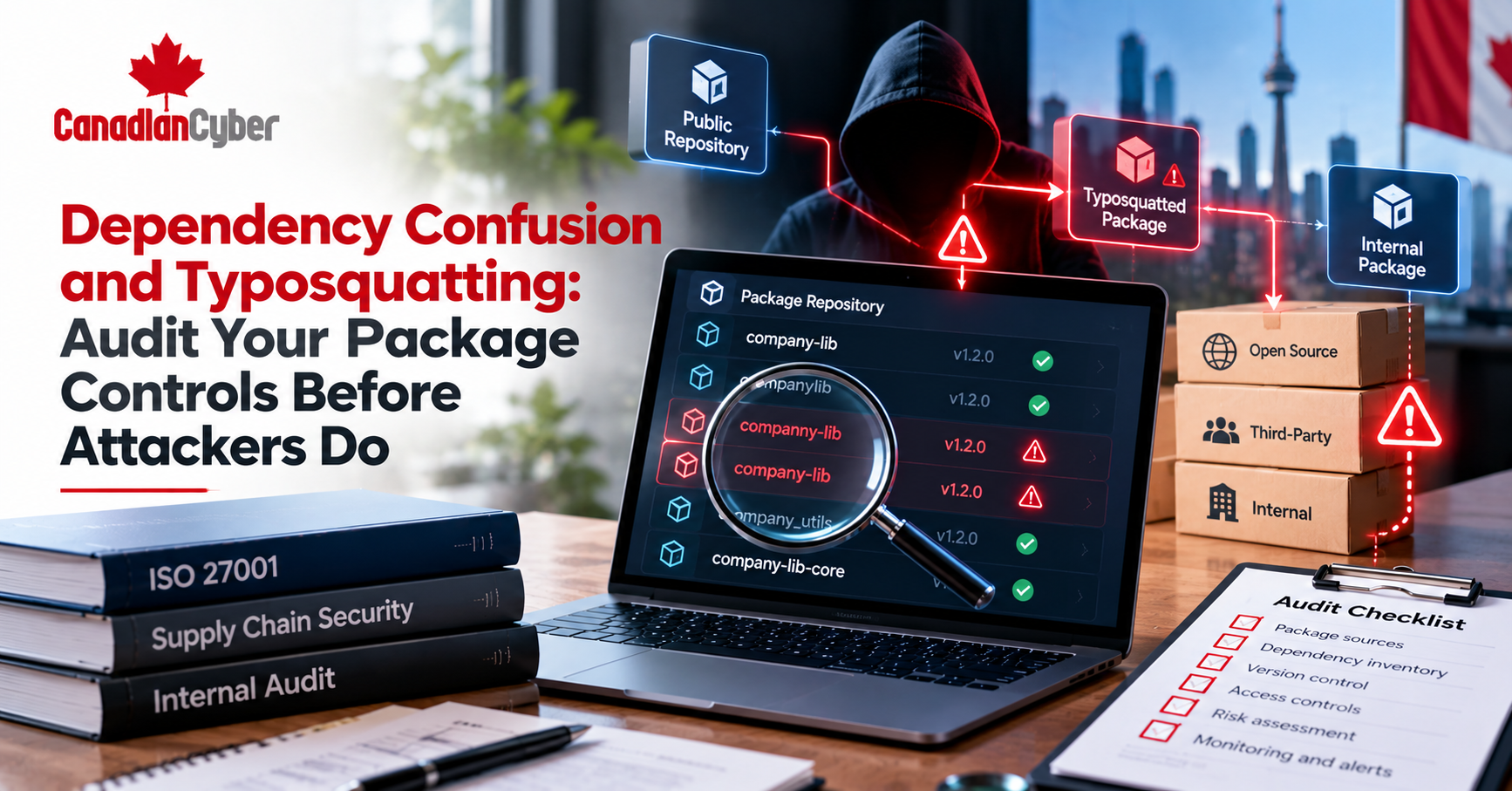
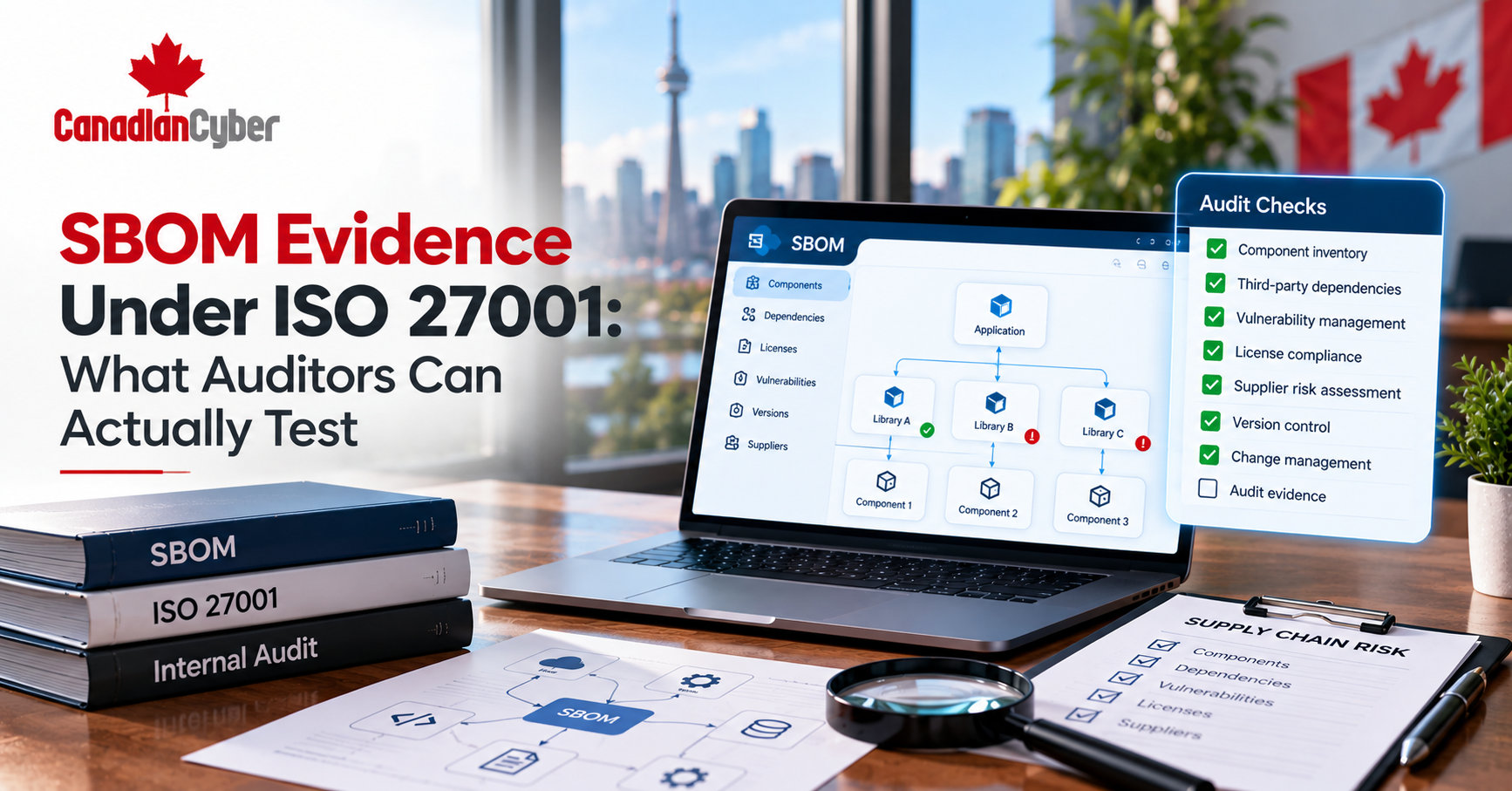
ISO 27001 Third-Party Risk Management: A Practical Vendor Playbook
A simple, audit-ready approach for vendor security, MSP environments, and supply chain resilience
Step 1: Build Visibility With a Vendor Inventory
You cannot manage vendor risk you cannot see.
Start by keeping a vendor inventory that answers three questions:
• What access does the vendor have?
• What data do they handle?
• What systems do they connect to?
This includes:
- SaaS tools
- IT service providers
- Development partners
- Payment processors
Visibility comes first.
Everything else depends on it.
Step 2: Vet Vendors Before You Onboard Them
Not all vendors carry the same risk.
ISO 27001 encourages risk-based vendor vetting.
This may include:
- Security questionnaires
- Reviewing certifications (ISO 27001, SOC 2)
- Assessing data handling practices
High-risk vendors require deeper review.
Low-risk vendors still require oversight.
Step 3: Enforce Security Requirements in Contracts
Trust is not enough.
Security expectations must be written down.
ISO 27001 supports contractual controls such as:
- Data protection requirements
- Incident notification timelines
- Access restrictions
- Right-to-audit clauses
Contracts set expectations before problems arise.
This is where you reduce legal and operational surprises.
Not sure if your vendor contracts actually protect you?
Step 4: Control and Monitor Third-Party Access
Vendor access should never be permanent or unlimited.
ISO 27001 promotes:
- Least-privilege access
- Time-bound credentials
- Logging and monitoring
- Regular access reviews
This is especially critical for MSPs managing multiple environments.
Step 5: Monitor Vendors Continuously
Vendor risk does not end at onboarding.
Security changes over time.
ISO 27001 requires ongoing monitoring, including:
- Periodic reassessments
- Incident tracking
- Performance reviews
Continuous oversight reduces long-term risk.
How ISO 27001 Supports MSPs and Multi-Client Environments
MSPs face unique challenges.
They manage:
• Multiple clients
• Shared tools
• Broad access
ISO 27001 helps MSPs:
- Standardize vendor controls
- Protect client environments
- Demonstrate security maturity
This builds trust across the supply chain.
Common Third-Party Risk Mistakes
Many organizations make the same errors.
- Trusting vendors without validation
- Granting excessive access
- Skipping contract security clauses
- Failing to reassess vendors
ISO 27001 addresses these issues systematically.
Managing dozens of vendors or clients?
Build a scalable third-party risk framework aligned with ISO 27001.
👉 Build a Scalable Vendor Risk Framework
👉 Align Vendor Security With ISO 27001
How Canadian Cyber Helps Manage Third-Party Risk
We help organizations take control of vendor risk.
Across industries.
Across supply chains.
Our ISO 27001 services include:
- Vendor risk assessments
- Third-party policy development
- Contract security guidance
- Audit-ready documentation
Security that extends beyond your perimeter.
Strengthen Your Supply Chain With ISO 27001
If your organization:
- Relies on vendors or MSPs
- Handles sensitive data
- Wants to prevent supply chain breaches
ISO 27001 provides structure and confidence.
Build vendor controls that are practical, scalable, and audit-ready.
👉 Start Your ISO 27001 Journey Today
👉 Speak With a Cybersecurity Expert
Stay Connected With Canadian Cyber
Follow us for practical insights on compliance, risk, and cybersecurity: