Maintaining ISO 27001: Why Passing the Audit Is Only Level One
The Real Work Begins After Certification Here’s How Top Canadian Organizations Stay Ahead
Level One: Passing the ISO 27001 certification audit
Level Two: Continuous improvement and real security maturity
Who this is for: Canadian organizations that are ISO certified or planning to be
Goal: Keep your ISMS alive, audit-ready, and truly effective year after year
Most organizations celebrate when they achieve ISO 27001 certification. And they should it’s a huge milestone.
But here’s the truth no one talks about enough:
Continuous improvement is Level Two and it’s where real security maturity is built.
Think of your ISMS like a living system. When you stop feeding it, it weakens. When you maintain it, it grows stronger, smarter, and more effective every year.
If your organization wants to keep client trust, stay compliant, and protect itself from modern cyber threats, maintaining ISO 27001 is not optional it’s essential.
Below is a fresh, engaging breakdown of what happens after certification and how smart Canadian companies keep their ISMS alive.
Why the Post-Certification Phase Is Critical
ISO 27001 is built on a cycle called Plan, Do, Check, Act. This cycle never stops because:
- Attackers evolve
- Cloud systems change
- Your team changes
- New vendors enter the picture
- Laws like Quebec’s Law 25 raise expectations
- Clients demand fresh security evidence
- Technologies get replaced or retired
If your ISMS stays the same while everything else changes, you fall behind fast.
- Audit-ready
- Client-ready
- Insurance-ready
- Risk-ready
- And most importantly: future-ready
The 7 Pillars of ISO 27001 Continuous Improvement
Instead of a dry checklist, here’s a practical framework your organization can follow to keep ISO 27001 alive and valuable.
1. The Annual Internal Audit Your Reality Check
This is not just paperwork. It’s your ISMS health exam.
A strong internal audit reveals:
- Hidden control failures
- Outdated or incomplete documentation
- Missing or weak evidence
- Access control problems
- New risks you didn’t see coming
Many organizations outsource this because independent eyes catch what internal staff miss.
2. The Living Risk Register Your ISMS Heartbeat
Your risk assessment cannot freeze in time.
Every change new vendor, new system, new office, new client requirement affects your risk profile. A healthy ISMS updates risks as they evolve, not only once a year.
3. Corrective Actions Your Improvement Engine
Corrective actions are not “fixes.” They are upgrades.
Examples include:
- Strengthening MFA enforcement
- Tightening vendor monitoring
- Adding logging to new cloud apps
- Updating onboarding and offboarding processes
Each corrective action makes your organization safer and your ISMS stronger.
4. Policy Refresh Your Rulebook Must Reflect Reality
Annual policy reviews are mandatory under ISO 27001 but more importantly, they prevent drift.
If the policy says one thing, but reality says another, your ISMS breaks.
Policies must evolve with:
- New workflows and processes
- New tools and platforms
- New roles and reporting lines
- New regulatory or client requirements
5. Continuous Training Your Human Firewall
Security awareness fades. Staff forget. Threats change.
Effective organizations deliver:
- Annual security awareness training
- Phishing simulations and campaigns
- Role-based training for high-risk teams
- Cloud and remote-work specific training
People remain your strongest or weakest control.
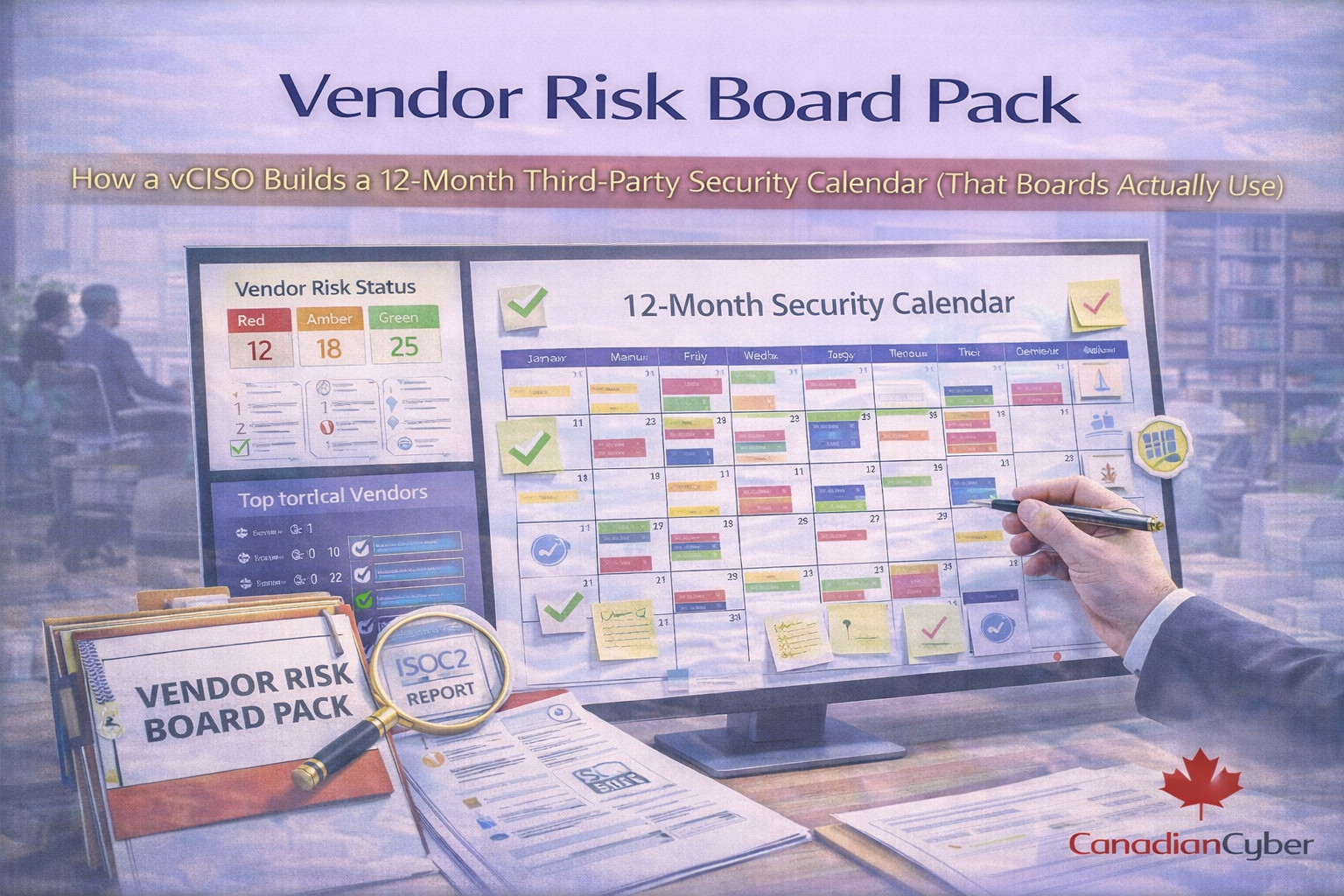
6. Vendor Monitoring Your Supply Chain Shield
Most breaches today involve third parties in some way.
ISO 27001 expects:
- An up-to-date vendor inventory
- Annual or risk-based vendor reviews
- Security clauses in contracts
- Evidence of vendor security practices
You are responsible for every vendor in your ecosystem your clients will hold you accountable.
7. Management Review Your Leadership Alignment Moment
This meeting is often underestimated, but it’s where ISO 27001 connects to business strategy.
Each year, leadership should review:
- Risk status and key trends
- Internal and external audit results
- Metrics and KPIs
- Incidents and near-misses
- Resource needs and improvement plans
When this is done well, ISO stops being “an IT project” and becomes a business governance framework.
The Hidden Truth: Maintaining ISO 27001 Gives You a Competitive Edge
While some organizations treat ISO 27001 like a checkbox, the leaders use ISO as:
- A trust signal for enterprise clients
- A sales and RFP differentiator
- A governance and risk framework
- A mechanism for reducing incidents and downtime
- A culture builder for security-minded teams
Clients can tell the difference very quickly.
A neglected one quietly creates risk, nonconformities, and lost opportunities.
Where Most Organizations Struggle
Here are some of the most common issues we see across Canadian organizations:
| Common Issue | Impact on Your ISMS |
|---|---|
| “We only update documents during audit season.” | Policies drift away from reality and auditors quickly notice. |
| “We don’t have time to maintain the ISMS.” | Issues pile up, creating more work and stress before audits. |
| “Our risk register hasn’t changed in 12 months.” | Auditors question whether your risk process is really active. |
| “Nobody owns vendor security.” | Third-party risks go unmanaged, even as your vendor list grows. |
| “Our onboarding/offboarding checklist is outdated.” | Former staff may retain access; new staff lack proper security setup. |
| “Policies don’t match how people actually work.” | Creates nonconformities and undermines trust in the ISMS internally. |
These gaps lead to painful surveillance audits, findings, and sometimes lost deals when clients review your security
posture more deeply.
How Canadian Cyber Helps Organizations Stay ISO-Strong
Maintaining ISO 27001 is easier with experienced support. Canadian Cyber helps Canadian organizations stay ISO-strong by providing:
- Annual internal audits and surveillance prep
- ISMS health-checks and maturity assessments
- Policy and documentation refresh cycles
- Risk assessment updates and new risk onboarding
- Corrective action planning and tracking
- Vendor security reviews and guidance
- Audit preparation and evidence coaching
- Continuous improvement roadmaps for the next 12–24 months
Help you stay compliant and practical without slowing innovation or overburdening your internal teams.
Ready to Keep Your ISO 27001 Certification Strong?
Canadian Cyber helps Canadian organizations maintain their certification with confidence and clarity turning ISO 27001 from a one-time project into a long-term security advantage.
👉 Explore Our ISO 27001 Maintenance Services
👉 Book a Free Consultation with Our ISO Experts
Stay Connected with Canadian Cyber
Follow Canadian Cyber for more ISO 27001 insights, continuous improvement tips, and Canadian security guidance: